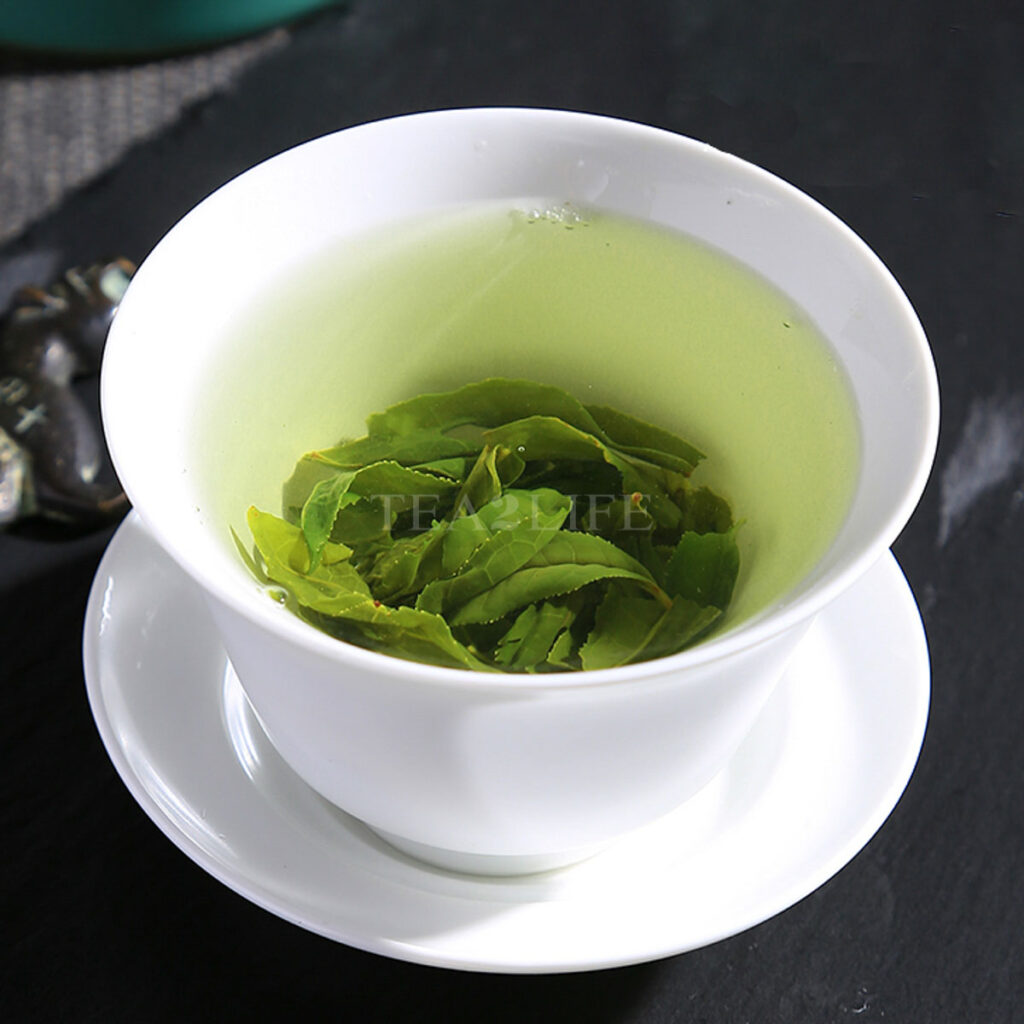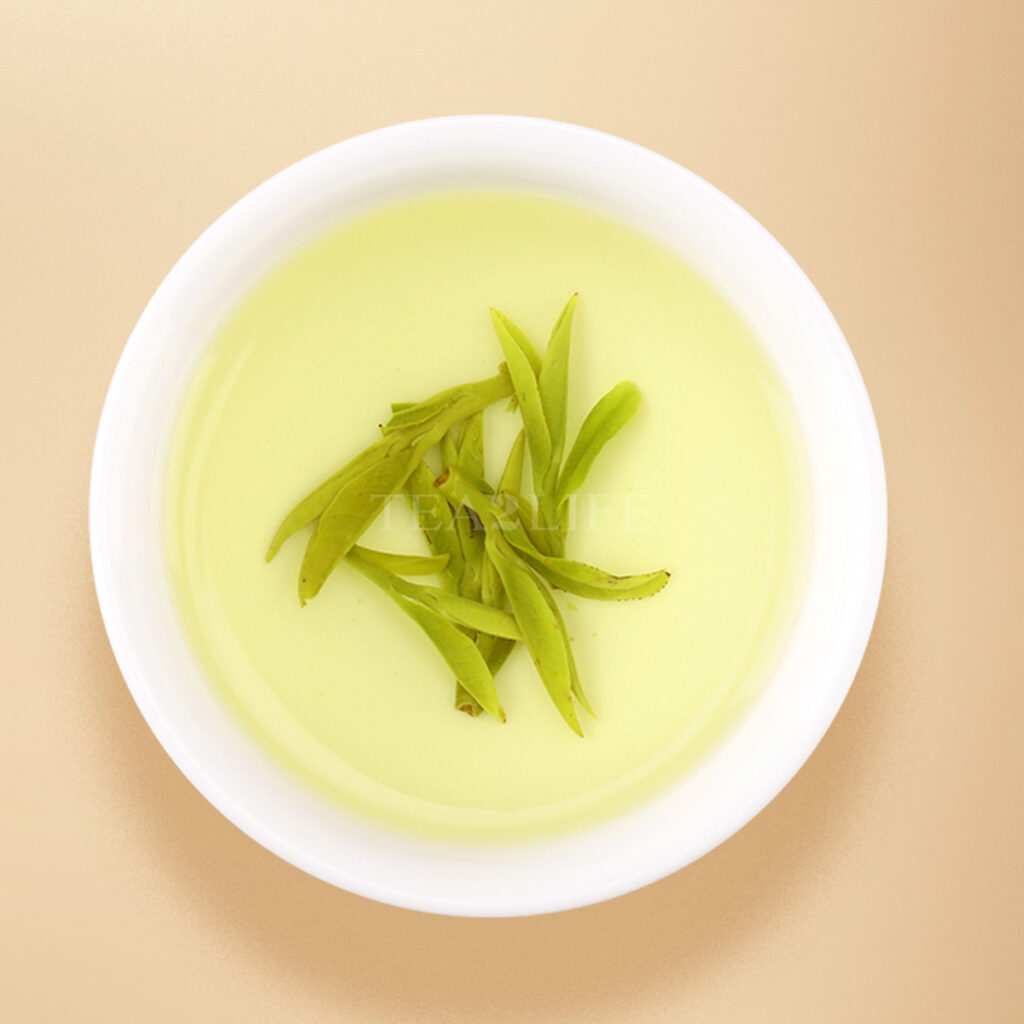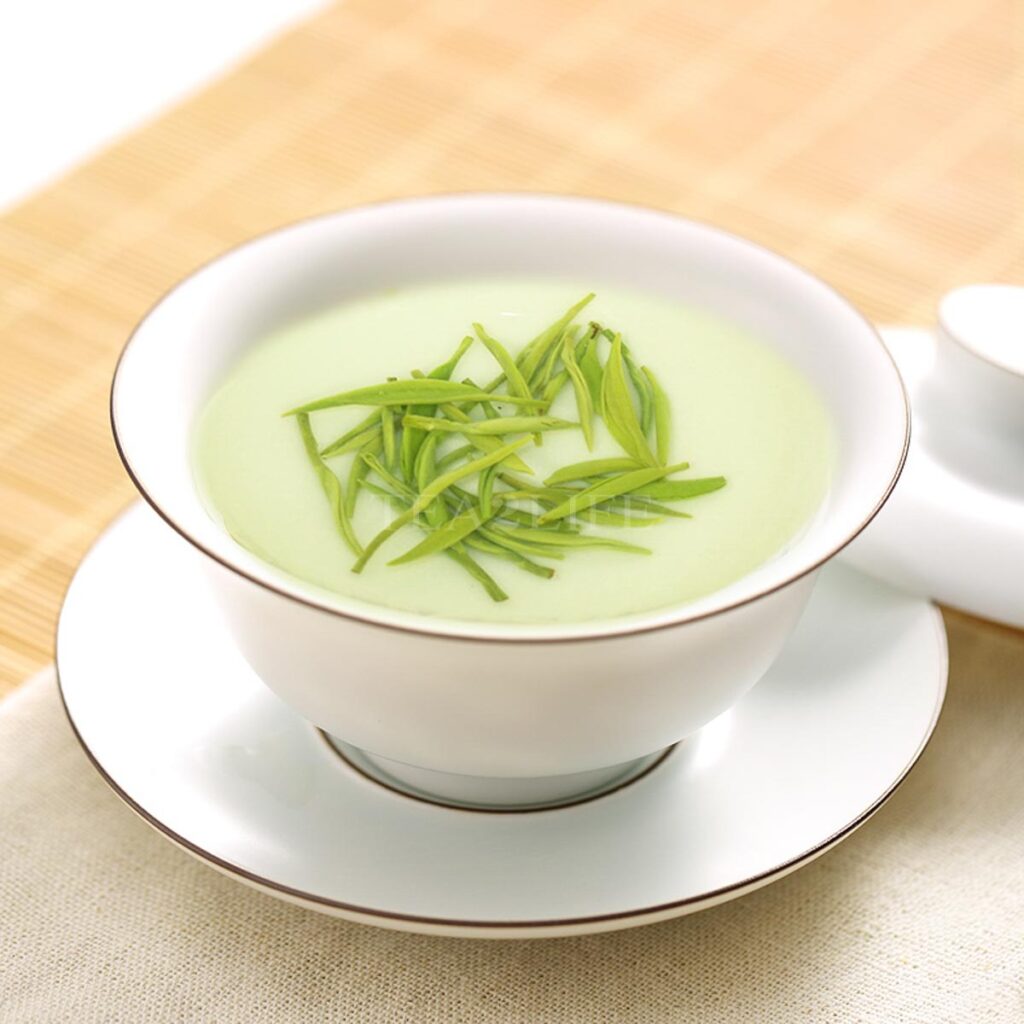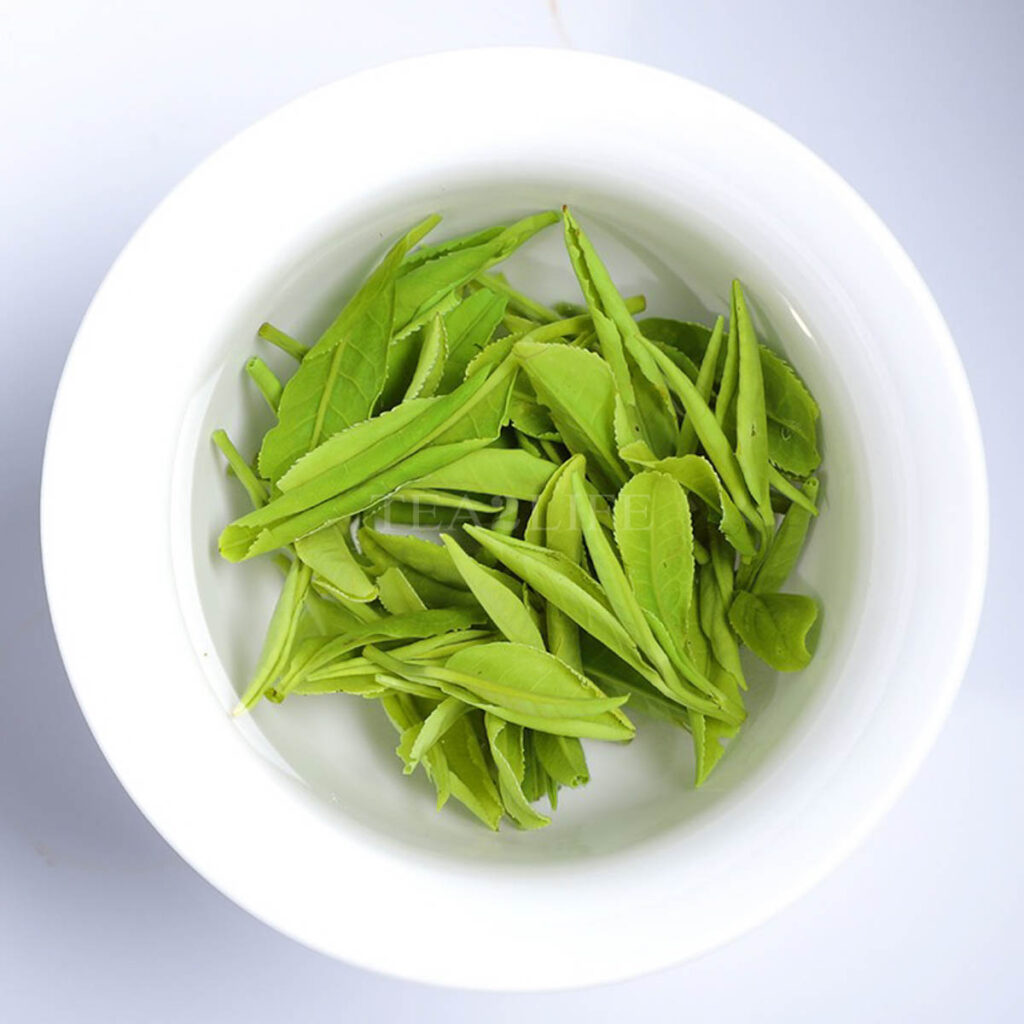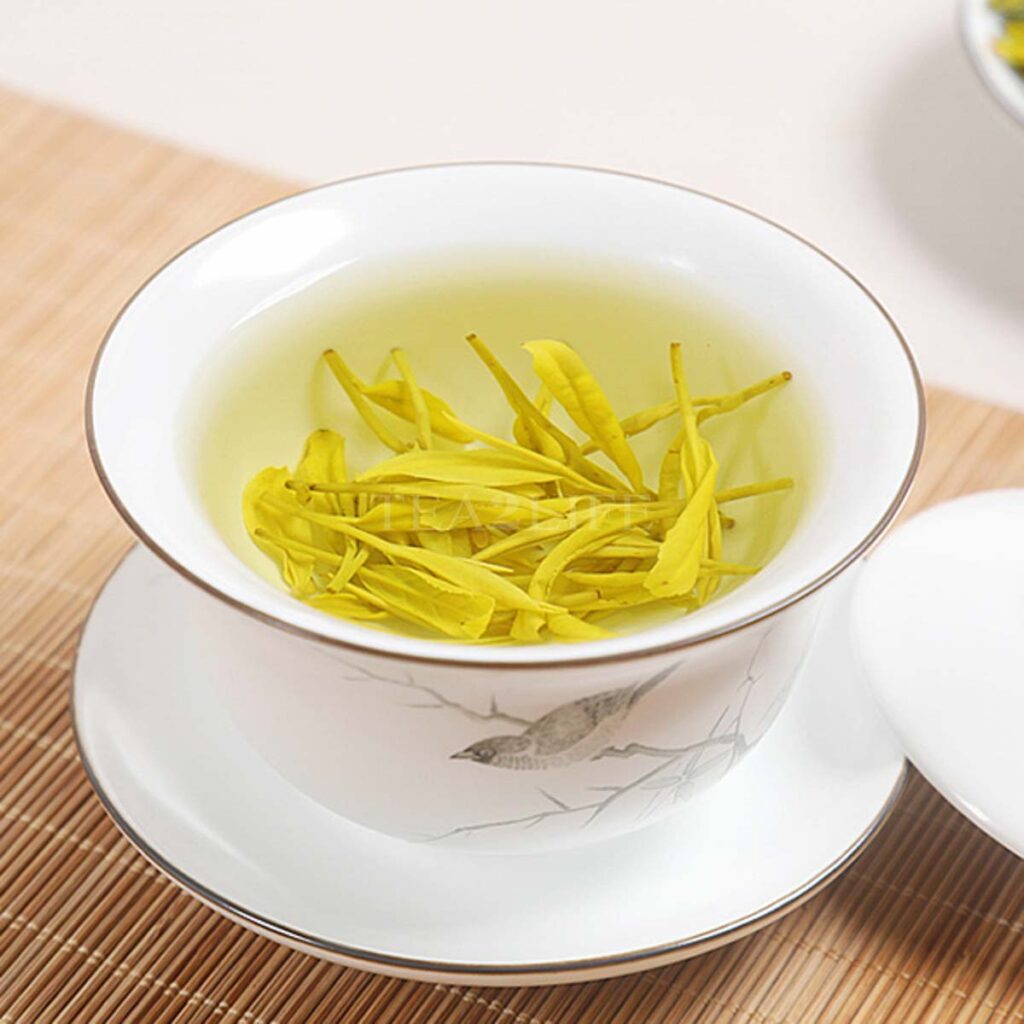



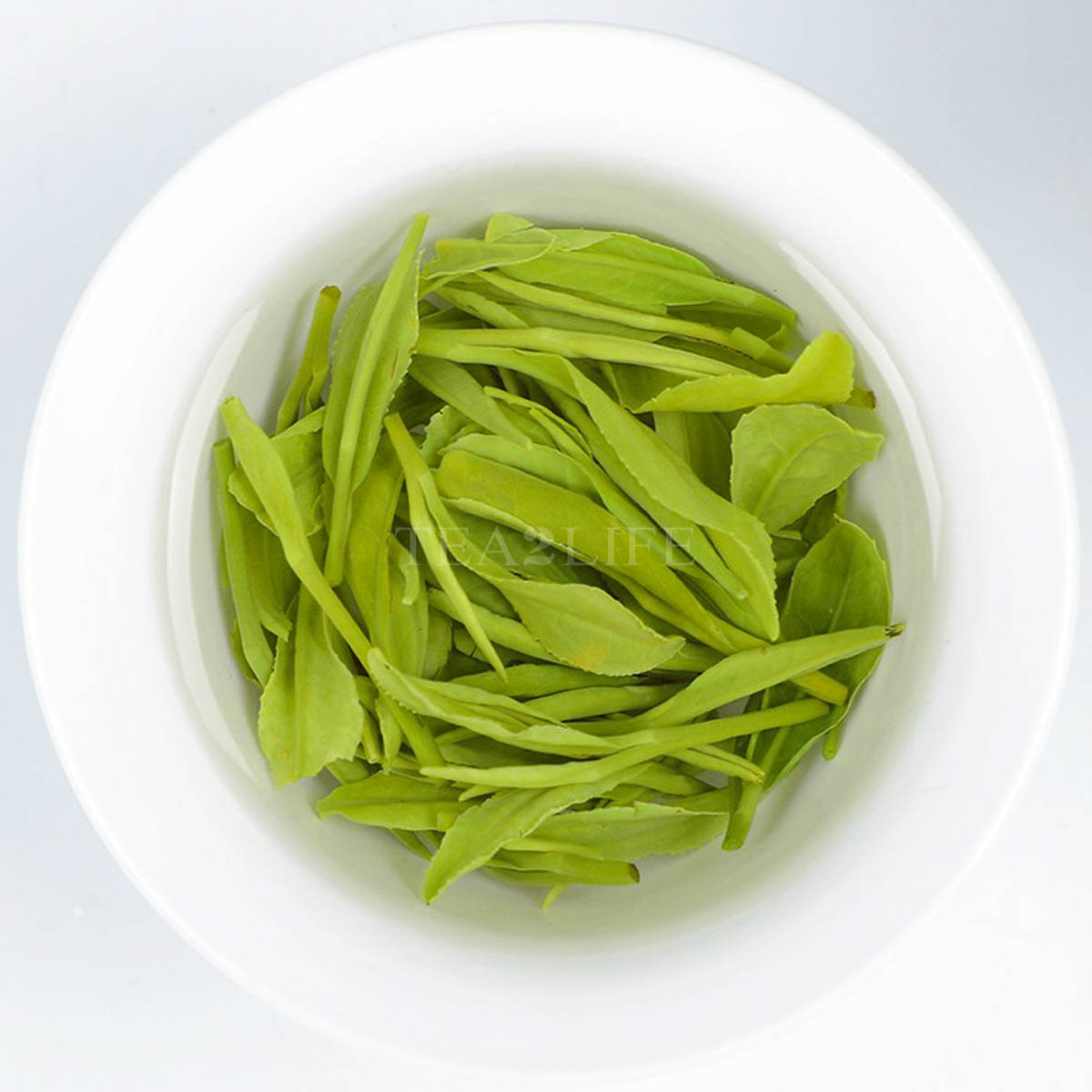
Anji white tea is not white tea, but green tea! It is a misunderstanding of many people. Anji white tea is an albino phenomenon in tea plants, so its leaves are thin and the buds are white, so it is called white tea, but in fact it is a kind of green tea.
Characteristics
“As fresh as chicken soup”.
Anji White Tea is unique because of its unique variety. The amino acid content in tea is very high. Amino acids are the source of the tea’s freshness. The content of tea polyphenols is less than other green teas. Tea polyphenols affect the bitterness of the tea. The freshness is amazing, and it is often described as “fresh like chicken soup”, and it will not be bitter after soaking for a long time.
Brewing Method
The lower the temperature, the more helpful the dissolution of amino acids, so when we make Anji white tea, we should lower the water temperature appropriately, which can be about 90 degrees, that it will not destroy its freshness; also because of this, Anji white tea especially suitable for cold soaking, it will be very fresh and sweet.
Anji White Tea
Anji Baicha 安吉白茶 is grown in Anji, Zhejiang, which literally translates to "Anji white tea," but Anji white tea belongs to the green tea category. Anji white tea has been produced since the 1970s, it is harvested in a low-temperature environment (lower than 23°C) every spring, due to the hindrance of the synthesis of chlorophyll in the new leaves, the leaf color will gradually become albino. As the temperature rises, the leaf color will return to green. The harvest period is only 30 days (usually from April 15 to May 15) The amino acid content is 5-10.6%, which is 3-4 times higher than ordinary green tea. Polyphenols are less than other green teas, so Anji white tea has a very fresh taste without bitterness.